
[keyword
Contact@agentfrogsmobile.com




[keyword]
bLOG > cERAMIC Coating
Ceramic Coating Pros, Cons, and Honest Truth From a Professional Detailer In Venice Fl
Ceramic Coating Pros, Cons, and Honest Truth From a Professional Detailer In Venice Fl
The Complete Guide to Ceramic Coating in Venice, Sarasota, and Southwest Florida
Ceramic coating has rapidly become the gold standard in automotive paint protection. Across Venice, Sarasota, Nokomis, and throughout Southwest Florida, vehicle owners are increasingly investing in ceramic coatings to preserve their vehicle’s appearance against relentless environmental exposure.
The appeal is obvious. Deep gloss. Long-term protection. Reduced maintenance.
However, ceramic coating is often misunderstood.
Many vehicle owners encounter exaggerated marketing claims promising scratch-proof protection, permanent durability, and maintenance-free ownership. These assertions are misleading. Ceramic coating is highly effective, but it is not invincible.
At Agent Frog’s Mobile Detailing, transparency and technical accuracy are foundational principles. This guide provides a scientifically grounded explanation of ceramic coating, its limitations, and whether ceramic coating is worth it in Venice, Florida’s uniquely harsh climate.

Ceramic coating is a liquid polymer composed primarily of silicon dioxide (SiO₂), derived from quartz and ceramic precursors. Once applied to automotive clear coat, the coating undergoes a curing process, forming a hardened, semi-permanent protective layer.
Unlike wax or synthetic sealants, ceramic coating chemically bonds to the vehicle’s clear coat. This bond creates a highly durable barrier resistant to ultraviolet radiation, oxidation, and chemical contamination.
This process is known as crosslinking. The resulting surface exhibits hydrophobic properties, meaning water beads tightly and rolls off the surface. This reduces contaminant adhesion and simplifies maintenance.
The coating essentially becomes an additional layer of protection—one that shields the clear coat beneath. In Florida, this protective barrier is particularly valuable.
Venice, Florida presents one of the most aggressive environments for automotive paint degradation in the United States.
Several environmental variables contribute to accelerated deterioration.
Extreme Ultraviolet Radiation
Florida receives significantly higher UV exposure than most regions. Ultraviolet radiation breaks down automotive clear coat through photodegradation. Over time, this causes fading, oxidation, and permanent loss of gloss. Ceramic coating acts as a UV-resistant sacrificial layer, dramatically slowing this degradation.
Salt Air Exposure
Coastal environments introduce aerosolized salt particles into the atmosphere. Salt accelerates corrosion and chemically attacks paint surfaces. Vehicles in Venice, Nokomis, and Englewood are constantly exposed to these corrosive elements.
Hard Water and Mineral Deposits
Florida groundwater contains elevated concentrations of calcium and magnesium. When water evaporates, these minerals remain behind, forming water spots that can etch paint permanently. Ceramic coating reduces mineral adhesion and slows etching progression.
Heat and Thermal Cycling
Constant solar heating expands and contracts paint surfaces. This thermal stress accelerates degradation. Ceramic coating helps stabilize surface exposure.
In short, Florida is one of the most punishing environments for vehicle paint. Ceramic coating provides critical defensive protection.
Downsides of Ceramic Coating: Honest Truth From a Venice, FL Detailer

Despite its effectiveness, ceramic coating has limitations. Understanding these limitations is essential.
Downside #1: Ceramic Coating Does Not Prevent Rock Chips or Deep Scratches
One of the most pervasive misconceptions is that ceramic coating makes vehicles scratch-proof... This is incorrect. Ceramic coating improves surface hardness. However, it does not provide impact resistance.
Rock chips result from high-energy impacts. Ceramic coating is measured in microns of thickness. It cannot absorb the kinetic force of debris traveling at highway speed.
Similarly, ceramic coating does not prevent:
Deep scratches
Key damage
Door dings
Abrasive impact
Only paint protection film provides meaningful impact resistance.
Ceramic coating protects against environmental degradation—not physical trauma.
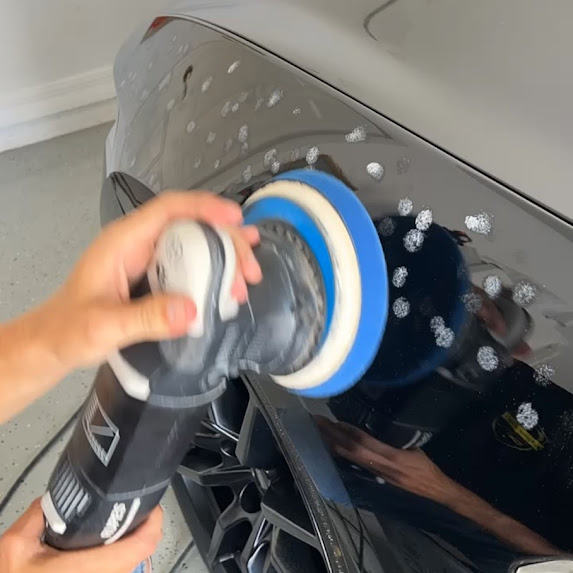

Professional ceramic coating in Venice, FL typically ranges between: $800 to $2,500+ depending on vehicle size and condition.
This cost reflects the intensive preparation required. The coating itself is only one component. Proper preparation includes:
Iron decontamination
Clay bar treatment
Multi-stage paint correction
Surface cleansing
Precision application
Preparation often constitutes 80–90% of the labor.
Without proper preparation, coating performance is compromised.

Downside #3: Improper Installation Can Permanently Lock in Paint Defects
Ceramic coating bonds to the surface condition present at application. If defects exist beneath the coating, they will remain visible.
Common defects include:
Swirl marks
Oxidation
Micro-scratches
Water spots
Improper installation may also cause high spots, streaking, and uneven gloss. Correcting these issues requires machine polishing to remove the coating entirely.
Professional preparation prevents these outcomes.
Downside #4: Ceramic Coating Does Not Eliminate Maintenance
Ceramic coating reduces maintenance requirements, but it does not eliminate them.
Vehicles will still accumulate:
Dust
Dirt
Pollen
Road film
Bird droppings
However, contaminants adhere less aggressively.Cleaning becomes easier. Faster. Safer. Maintenance remains necessary.
Downside #5: Water Spots Can Still Occur
Ceramic coatings are hydrophobic. Water beads tightly. This creates an unintended consequence. Minerals within water concentrate in these beads. As water evaporates, mineral residue remains. This residue creates water spots. Ceramic coating slows etching progression but does not eliminate water spotting entirely. Regular washing prevents long-term damage.

Downside #6: Ceramic Coating Is Not Permanent
Despite common marketing claims, ceramic coating is not permanent. Professional coatings typically last between two and five years. Longevity depends on:
Installation quality
Environmental exposure
Maintenance practices
Storage conditions
Without maintenance, degradation accelerates. Proper care extends lifespan.
Downside #7: Repainting Requires Coating Removal
If a vehicle requires repainting, the ceramic coating must be removed first.
This requires mechanical polishing. While manageable, it adds procedural complexity.
Downside #8: DIY Ceramic Coatings Often Fail Prematurely
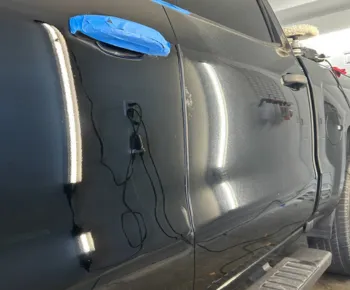
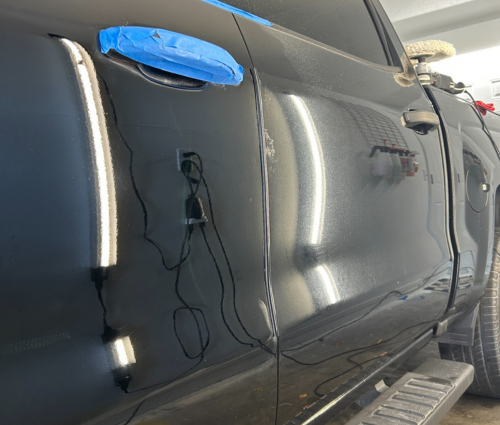
Consumer-grade coatings lack durability.
Improper preparation compromises bonding.
Professional coatings provide significantly superior performance. Preparation determines outcome.
Ceramic Coating vs Wax vs Sealant: Why Ceramic Coating Is Superior
Traditional wax lasts weeks..... Sealants last months......Ceramic coating lasts years!!
Wax provides minimal UV resistance. Ceramic coating provides substantial protection.
Wax degrades rapidly in Florida heat. Ceramic coating remains stable.
Ceramic coating represents a fundamental advancement in paint protection technology.
Is Ceramic Coating Worth It in Florida?

Yes—ceramic coating is especially valuable in Florida.
Florida’s environmental conditions accelerate paint degradation dramatically.
Ceramic coating protects against:
UV oxidation
Salt air corrosion
Mineral etching
Environmental contamination
Vehicles without ceramic coating degrade significantly faster. Ceramic coating preserves long-term value.

Who Should Get Ceramic Coating in Venice, FL?
Ceramic coating is ideal for owners who:
Want long-term paint preservation
Want maximum gloss
Own newer vehicles
Care about resale value
Want easier maintenance
It is especially valuable for:
Luxury vehicles
Performance vehicles
New vehicles
Black vehicles

Who May Not Need Ceramic Coating
Ceramic coating may not be necessary for:
Vehicles nearing end of life
Vehicles stored outdoors without maintenance
Owners uninterested in appearance
Ceramic coating is a preservation investment.

Long-Term Financial Benefits of Ceramic Coating
Ceramic coating reduces:
Paint correction frequency
Repainting costs
Depreciation
Preserved paint increases resale value. Ceramic coating often pays for itself
Ceramic coating performance depends entirely on preparation and installation. Improper installation compromises durability.
Professional installation ensures:
Proper bonding
Maximum durability
Optimal gloss
Expertise matters.
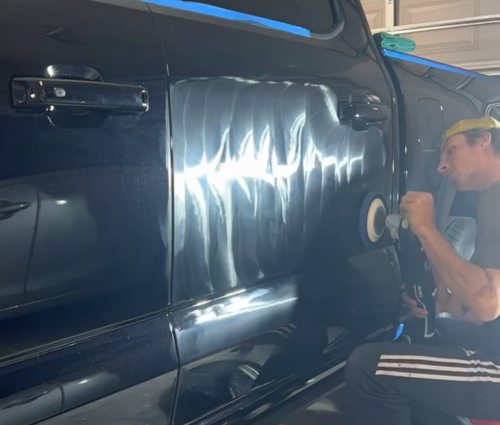
Agent Frog’s Mobile Detailing specializes in professional ceramic coating throughout:
Venice, FL
Sarasota, FL
Nokomis, FL
Osprey, FL
Englewood, FL
Lakewood Ranch, FL
Our process includes:
Professional paint correction
Surface decontamination
Precision coating application
Professional-grade ceramic coatings
Our coatings are specifically selected for Florida’s harsh climate. We bring professional service directly to your home.
Contact Us
Agent Frog's Mobile Detail - Ceramic Coating
Address:
Serving Sarasota County
& Surrounding Areas
Phone: +1 941-207-0932
Email: Contact@agentfrogsmobile.com
Locations:
North Port
Venice
Sarasota
Connect With Us:



frequently asked questions about ceramic coating
What are the real pros and cons of ceramic coating?
Ceramic coating offers deeper gloss, stronger UV protection, easier maintenance, and better resistance to environmental contamination than traditional wax or sealants. The downside is that it does not make a vehicle scratch-proof, chip-proof, or maintenance-free, and the final result depends heavily on prep work and installation quality.
How much does ceramic coating cost in Venice, Florida?
Professional ceramic coating in Venice, Florida typically ranges from about $800 to $2,500 or more depending on vehicle size, paint condition, correction needs, and the package selected. Heavier defect removal, multi-step polishing, and longer-term coating packages usually increase the total price.
Does ceramic coating prevent scratches and rock chips?
No. Ceramic coating can improve surface slickness and offer some resistance to very minor marring, but it does not stop rock chips, deep scratches, door dings, or other impact damage. If impact protection is the goal, paint protection film is the better option.
Does ceramic coating eliminate maintenance?
No. Ceramic coating makes the vehicle easier to wash and helps contaminants release more easily, but it does not stop the car from getting dirty. Dust, pollen, road film, bird droppings, and other contamination still need to be removed with proper maintenance.
Can ceramic-coated cars still get water spots?
Yes. Ceramic coatings are hydrophobic, but they do not fully prevent mineral deposits from drying on the surface. In Florida, hard water, heat, and sun exposure can still lead to water spotting if the vehicle is not washed and dried properly.
How long does ceramic coating last?
Professional ceramic coatings commonly last between two and five years. Actual longevity depends on installation quality, environmental exposure, wash methods, maintenance habits, and whether the vehicle is stored indoors or outside.
Is ceramic coating worth it in Florida?
For many vehicle owners, yes. Florida’s UV exposure, salt air, heat, humidity, rain, and environmental fallout are hard on paint, so ceramic coating can deliver strong long-term value when the vehicle is properly prepped, coated, and maintained.
Why does professional installation matter for ceramic coating?
Professional installation matters because coating performance depends on what happens before the coating is applied. Proper washing, decontamination, paint correction, surface prep, and careful application all affect bonding, gloss, durability, and the final finish.
Contact Us
Agent Frog's Mobile Detail - Ceramic Coating
Location:
Serving Sarasota County
& Surrounding Areas
Phone: +1 941-207-0932
Email: Contact@agentfrogsmobile.com
Service Areas:
North Port
Venice
Sarasota
Connect With Us:

Contact Us
Hours
Social Media
Serving Sarasota, Manatee & Charlotte County
Contact@agentfrogsmobile.com
941-303-3747
Monday - Saturday: 8:00 AM - 6:00 PM
Sunday: 8:00 AM - 12:00 PM


Contact Us
941-303-3747
Serving Sarasota County
& Surrounding Areas
Service Hours
Monday - Friday: 9:00 AM - 6:00 PM
Saturday: 10:00 AM - 4:00 PM
Sunday: Closed
Social Media



2026 | Agent Frog's Mobile Detail | Rights Reserved