
[keyword
Contact@agentfrogsmobile.com




[keyword]
Blog > Ceramic Coating
bLOG > cERAMIC Coating
How much would it cost to ceramic coat your car?
How much would it cost to ceramic coat your car?
Cost to ceramic coat vehicle price automotive ceramic coating cost range
A Quick US Price Snapshot (by Vehicle Class)
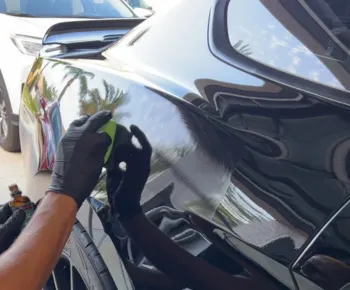
In the US, most professional ceramic coatings land in three broad ranges: $600–$1,200 for compact cars with light prep, $900–$1,800 for midsize/SUVs, and $1,500–$3,000+ for large vehicles or premium, multi-year packages that include extensive paint correction. Prices are driven by three levers: surface preparation, coating chemistry & warranty length, and installer reputation & location. DIY kits cost $50–$200 in materials, but they don’t include paint correction or pro-only products.
Expect $600–$1,200 for compact cars with light prep, $900–$1,800 for midsize/SUVs, and $1,500–$3,000+ for large vehicles or premium multi-year packages that include extensive correction. DIY kits run $50–$200, but they do not include professional correction or professional chemistries.
The Three Levers That Move Cost
Surface Preparation #1 Cost Driver
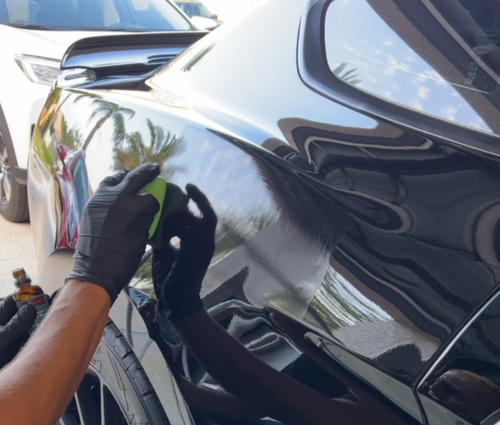
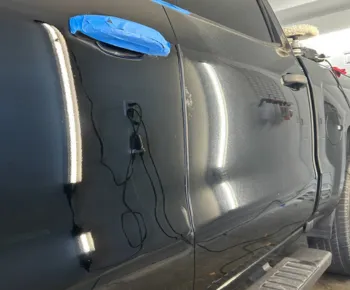
Wash, chemical decontamination, mechanical clay, and paint correction determine labor hours. Micromarring and swirls mean machine polishing—sometimes multiple passes—before any coating touches the substrate.
Coating Chemistry & Warranty Length
Formulations vary in solids content, carrier solvents, and crosslinking behavior. Generally, longer warranties (1–9 years) correlate with higher material cost and stricter prep standards, which elevate pricing.
Installer Reputation & Location
A seasoned installer with calibrated lighting, paint gauges, and controlled curing conditions charges more. Urban, high-rent markets also lift prices.
Vehicle Size Matters: Compact vs. Midsize vs. Large
More square footage equals more decon, taping, polishing, and product. Coupes cost less than three-row SUVs or full-size trucks. Roof rails, aggressive body lines, and complex trim add minutes that become dollars.
Paint Condition: The Hidden Multiplier
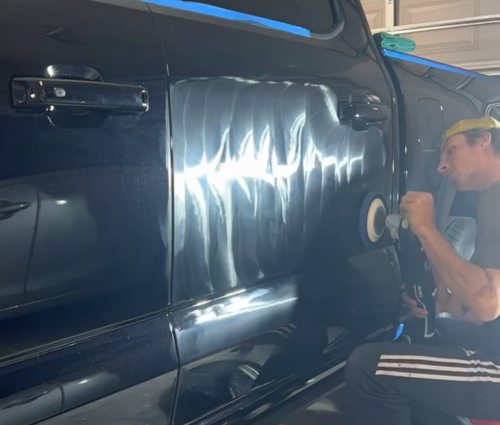
New vehicles still arrive with transport marring. Dark colors reveal defects mercilessly. If your clear coat requires multi-step correction, the budget rises quickly due to compound, pad, and time consumption.
Paint Correction, Demystified (One-Step vs. Multi-Step)
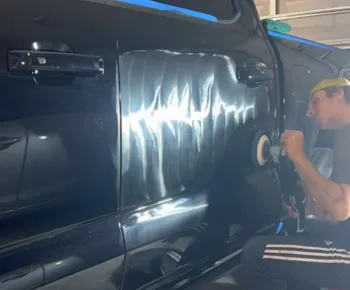
One-step uses a polish/pad combo to remove light swirls and haze. Two- to three-step sequences cut, refine, and jewel the finish for maximum clarity. Each additional step compounds labor.
Entry Packages: What You Actually Get
Typical inclusions: wash, iron/tar removal, clay, light correction, and a 1–2 year coating. Price band: $500–$900 small cars; $700–$1,200 trucks/SUVs. Ideal if your paint is already tidy.
Mid-Tier Packages: The Value Sweet Spot
Add a dedicated single-stage correction and a 3–5 year coating. Common range: $1,000–$1,800 depending on size and condition. This is where most owners see the best cost-to-result ratio.
Top-Tier & Multi-Year Packages: Premium Outcomes
Multi-stage correction, coating layering, and sometimes infrared curing produce the most optical depth and durability (5–9 years). Pricing: $1,800–$3,000+, especially for large or dark-painted vehicles.
Add-Ons: Wheels, Glass, Trim, Interior—Line-Item Pricing
Expect $100–$500 per add-on: wheels-off coating, high-contact trim, glass (improved wet-weather visibility), and interior surfaces. These items meaningfully improve day-to-day maintenance.
DIY vs. Professional: True Cost and Tradeoffs
DIY kits ($50–$200) lower cash spend but shift risk to you. Without correction, coatings may lock in defects. Missed high-spots and uneven flash times cause streaking. Product is cheap; expertise isn’t.
Time, Tools, and Technique: The Opportunity Cost of DIY
Plan 6–10 hours minimum with proper lights, polishers, pads, towels, and panel wipes. Add more time for correction learning curves. Consider what your weekend is worth.
Fast Estimation Frameworks You Can Use
Rule of thumb: $1–$2 per square foot for the coating itself, plus $300–$1,200 for correction based on swirl severity. Alternatively: $800–$1,200 if paint needs little correction; $1,800–$2,800+ for heavy correction or the longest warranties.
Geographic Variance: Why the Same Job Costs More in Some Cities
Labor rates, rent, and demand density shift pricing. Coastal metros and luxury-heavy markets tend to be higher. Rural shops with lower overhead can be more competitive.
When Ceramic Coating Is Financially Sensible
If you wash regularly, park outside, or drive high mileage, reduced wash time and slower paint degradation compound value. For garage queens, coatings prevent micro-marring during dusting and washes.
Alternatives to Consider: Wax, Sealant, and PPF
-Wax: inexpensive, warm gloss, short durability (weeks).
-Sealant: synthetic protection, months not years.
-PPF (Paint Protection Film): impact resistance and self-healing, but far higher cost; often paired with a coating on top.
Maintenance Costs Over the Coating’s Lifespan
PH-balanced soaps, plush towels, and periodic topper sprays keep hydrophobicity crisp. Expect a light annual spend on wash and maintenance products compared with repeated full details.
How to Shop Quotes: Inspections, Line Items, and Paint Readings
Request an in-person inspection. Ask for line-item breakdowns: prep, correction steps, coating brand/spec, warranty, and add-ons. Paint depth and gloss meter readings before/after show measurable improvement.
Red Flags, Guarantees, and Fine Print
Beware of rock-bottom pricing with vague prep steps, no correction photos, or “lifetime” claims with onerous maintenance clauses. Seek written care instructions and clear warranty terms.
Sample Budgets for Common Scenarios
New compact, light marring: $800–$1,200.
Midsize SUV, moderate swirls: $1,200–$1,800.
Large truck, dark paint, heavy correction: $1,800–$3,000+.
DIY weekend project: $50–$200 in product, plus tools/time.
Final Checklist Before You Book
Inspect in person under proper lighting.
Confirm correction steps and pad/product combinations.
Get line-item pricing and warranty terms.
Ask for before/after photos and, ideally, paint measurements.
Clarify maintenance schedule and compatible wash products.
Summary: A Simple Rule of Thumb
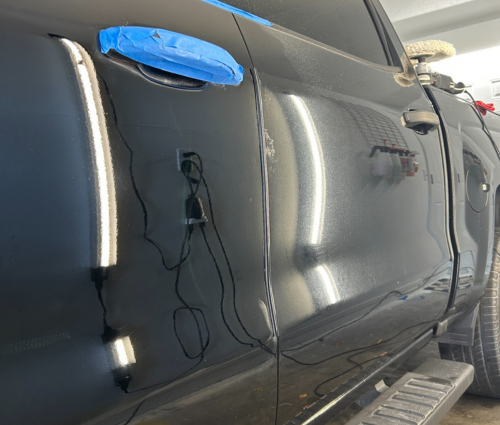
If the paint needs little correction, budget $800–$1,200. For heavy correction or maximum warranty, plan $1,800–$2,800+. Always validate with an on-site inspection for a precise, defensible quote.
frequently asked questions about ceramic coating cost
How much does ceramic coating cost for a car?
Most professional ceramic coating jobs fall into a few broad ranges depending on vehicle size, paint condition, correction needs, and coating package. Many compact cars with light prep land around $600 to $1,200, midsize vehicles and SUVs often fall around $900 to $1,800, and larger vehicles or premium multi-year packages with extensive paint correction can reach $1,500 to $3,000 or more.
How much does ceramic coating cost for a car?
The biggest cost drivers are surface preparation, paint correction, coating chemistry, warranty length, and installer experience. The coating itself is only one part of the job. Proper washing, decontamination, polishing, panel prep, and controlled application take time, tools, and skill.
Does paint correction increase ceramic coating price?
Yes. Paint correction is often the hidden multiplier in ceramic coating pricing. If the vehicle has swirl marks, oxidation, haze, or deeper defects, the installer may need one-step or multi-step machine polishing before the coating is applied. More correction means more labor, more materials, and more total cost.
Is DIY ceramic coating cheaper than professional ceramic coating?
DIY ceramic coating is cheaper upfront in product cost, but it does not include professional paint correction, pro-grade installation conditions, or experienced application. DIY kits may cost far less in materials, but mistakes such as streaking, high spots, or locking defects into the paint can reduce the final result.
What is usually included in a ceramic coating package?
Most ceramic coating packages include a safe wash, chemical decontamination, clay treatment, surface prep, and coating application. Mid-tier and premium packages often include single-stage or multi-stage paint correction, longer-term coatings, and optional upgrades for wheels, glass, trim, or other surfaces.
Are ceramic coating add-ons worth it?
Add-ons such as wheel coating, glass coating, trim coating, and select interior protection can improve maintenance and overall usability. They are often priced separately and can add meaningful value depending on how the vehicle is driven and maintained.
How do I compare ceramic coating quotes?
Add-ons such as wheel coating, glass coating, trim coating, and select interior protection can improve maintenance and overall usability. They are often priced separately and can add meaningful value depending on how the vehicle is driven and maintained.
Is ceramic coating worth it?
For many owners, ceramic coating is worth it when they want easier maintenance, stronger gloss, and longer-lasting protection than traditional wax or sealant. The value is usually highest when the installer performs proper prep and matches the package to the vehicle’s condition and the owner’s goals.
Contact Us
Agent Frog's Mobile Detail - Ceramic Coating
Address:
Serving Sarasota County
& Surrounding Areas
Phone: +1 941-207-0932
Email: Contact@agentfrogsmobile.com
Locations:
North Port
Venice
Sarasota
Connect With Us:



Contact Us
Agent Frog's Mobile Detail - Ceramic Coating
Location:
Serving Sarasota County
& Surrounding Areas
Phone: +1 941-207-0932
Email: Contact@agentfrogsmobile.com
Service Areas:
North Port
Venice
Sarasota
Connect With Us:

Contact Us
Hours
Social Media
Serving Sarasota, Manatee & Charlotte County
Contact@agentfrogsmobile.com
941-303-3747
Monday - Saturday: 8:00 AM - 6:00 PM
Sunday: 8:00 AM - 12:00 PM


Contact Us
941-303-3747
Serving Sarasota County
& Surrounding Areas
Service Hours
Monday - Friday: 9:00 AM - 6:00 PM
Saturday: 10:00 AM - 4:00 PM
Sunday: Closed
Social Media



2026 | Agent Frog's Mobile Detail | Rights Reserved